
How to Choose the Perfect Roof Installation Service—What Every Andover Homeowner Should Know!
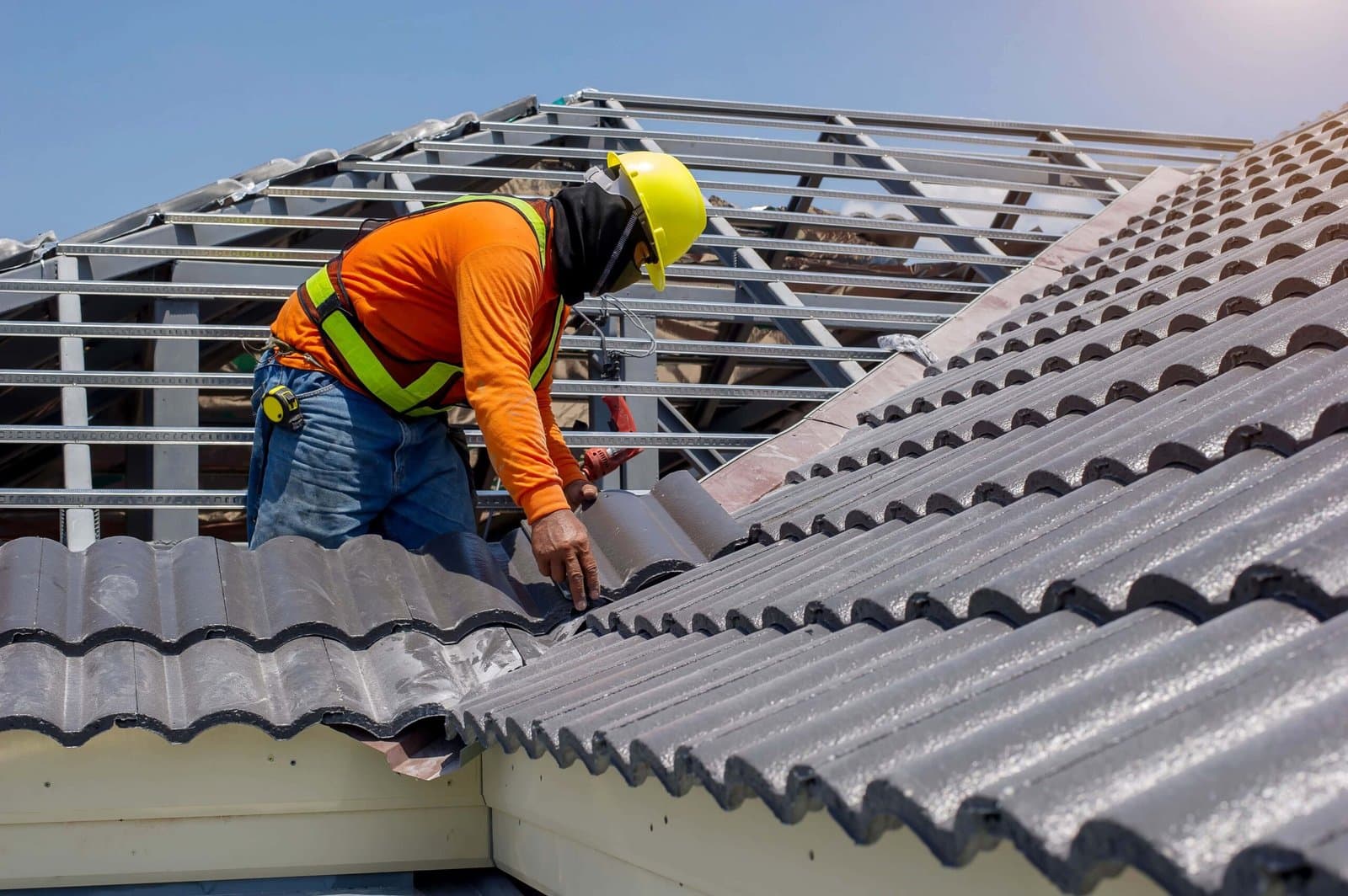
How do you choose a roofing contractor? Ask five questions and the answers sort them quickly. Where is the business physically located, and how long has it worked in this state? Is it licensed and carrying both general liability and workers' compensation, and can you see the certificates? Does its own crew do the work, or is it subcontracted? Who honours the workmanship warranty, and for how long? And will it put the full scope in writing — shingle line, underlayment, ice-and-water coverage, ventilation, how decking repair is priced — before you sign? A contractor who is vague on location, evasive about insurance, or unwilling to write down the scope has told you what you need to know.
Chad Erickson founded Total Home Exteriors in Andover, MN in 2003 and still walks every insurance claim personally. Last updated: September 2026.
What should I ask a roofing contractor before hiring?
Where they are based, how long they have worked in the state, whether they carry general liability and workers' compensation, whether their own crew does the work, who honours the workmanship warranty, and whether the full scope goes in writing before you sign.
How do I spot a storm chaser?
They appear days after a hail event, push for a signature on the day, and are vague about where they are based. Watch for 'inspection authorisation' forms that are actually contracts assigning your insurance claim. Ask for a local address and a licence number you can verify.
Does it matter if a roofer subcontracts?
It matters for accountability. Subcontracted crews vary in quality and are harder to hold to a standard, and when workmanship fails two winters later the question of who is responsible gets complicated. It is a fair question to ask directly.
Why insurance certificates matter more than you think
A contractor should carry two policies: general liability, which covers damage to your property, and workers' compensation, which covers their crew. The second is the one homeowners overlook, and it is the one that can reach you — if an uninsured worker is injured on your roof, liability can land on the homeowner.
Ask to see both certificates rather than taking a verbal assurance. A legitimate contractor produces them without hesitation, and the certificate names the carrier and the expiry date so you can confirm the cover is current.
The storm-chaser pattern, and why it costs you later
Large hail events draw out-of-state crews who canvass affected streets, sign as many contracts as they can, complete the work quickly and leave the state. The work is often not obviously bad on day one — the failures show up two or three winters later at the flashing and the fasteners, which is exactly when the warranty phone number no longer connects.
The pressure tactic is the tell. A contractor telling you the price is only good today, or that they need a signature before they can inspect, is managing their schedule rather than your roof.
What a written scope should contain
Get all of this on paper before you sign anything:
- The shingle manufacturer, product line and warranty term.
- The underlayment, and how much ice-and-water shield goes at the eaves and in the valleys.
- What ventilation work is included, if any is needed.
- How decking replacement is priced per sheet, since nobody can know how much is needed until tear-off.
- The workmanship warranty term, and who honours it.
- Cleanup, including a magnet sweep of the yard and drive.
Related reading
Frequently asked questions
Should I get three roofing quotes?
Three is a reasonable number, provided you compare scopes rather than totals. Quotes that look far apart are usually quoting different jobs — a lower bid may assume a lesser shingle, minimum ice-and-water coverage, no ventilation work and no decking allowance. Line up the line items and the gap often closes or reverses.
Is the lowest bid ever the right choice?
Sometimes, when it covers the same scope as the others and the contractor is local and insured. It is the wrong choice when it is cheaper because of what it leaves out. In Minnesota the omissions that matter most are eave ice-and-water coverage and ventilation, because those are where roofs actually fail here.
What is a workmanship warranty and how long should it be?
It covers the installation rather than the materials — the manufacturer warranty covers defects in the shingles themselves. Terms vary widely across contractors. What matters more than the number of years is whether the business will still be operating locally to honour it, which is the real argument against hiring a crew that follows storms.
Do I need a permit to replace my roof in Minnesota?
Most Minnesota municipalities require a permit for roof replacement, and requirements differ by city. Your contractor normally pulls it as part of the job. Confirm who is responsible for it in writing — an unpermitted roof can surface as a problem when you sell.
Have Questions?
Our team is happy to answer questions about any service — no sales pressure.
Related Articles
Take Action Today
Serving the Twin Cities for 20+ Years
Licensed, insured, and ready to help with your next exterior project.