
Maximize Your Roof’s Lifespan with These Essential Maintenance Tips—Simple and Effective!
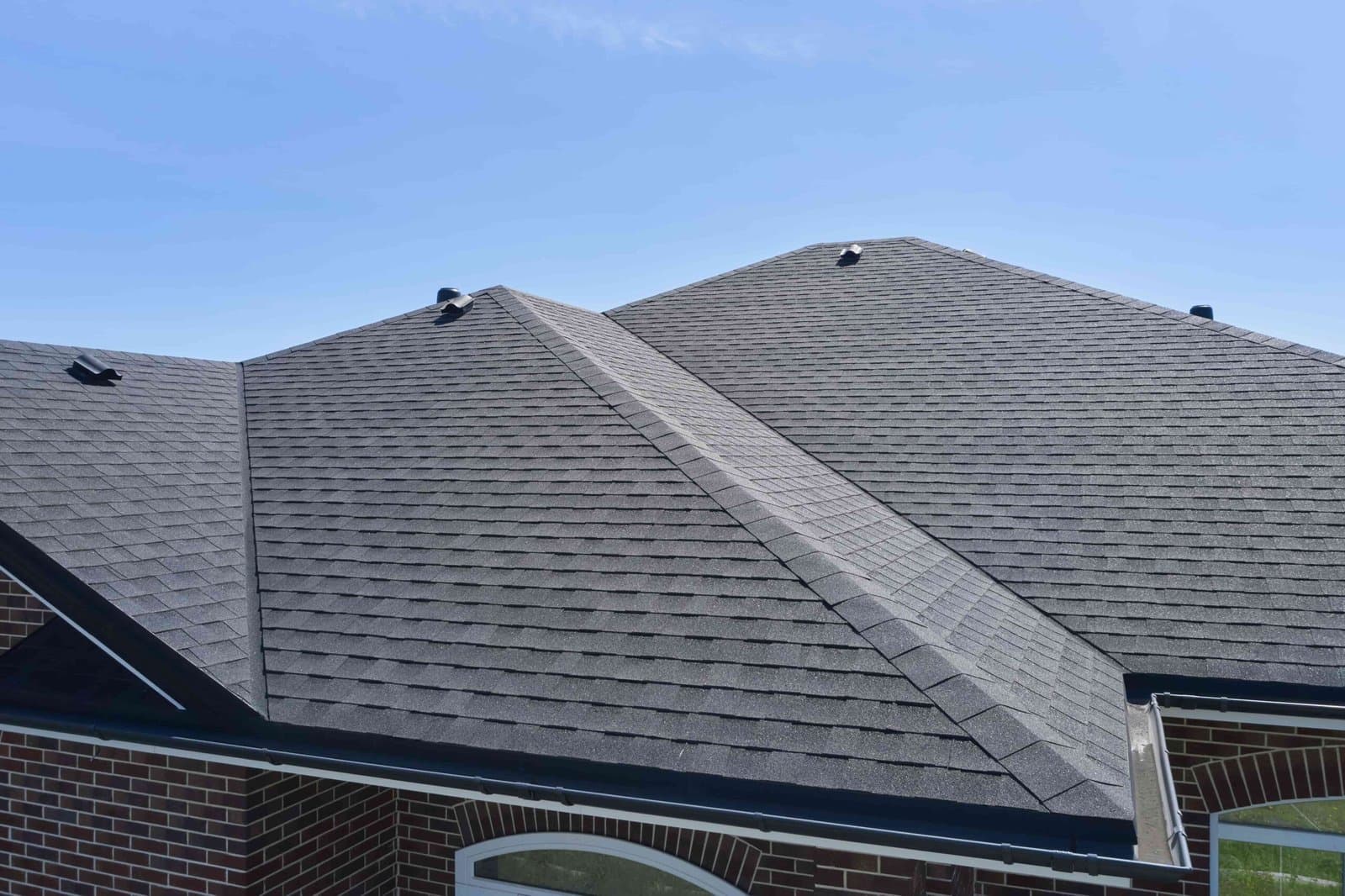
How long does a roof last? An architectural asphalt shingle roof typically lasts 20 to 25 years, three-tab asphalt 15 to 20 years, and standing-seam metal 40 to 70 years. In Minnesota the deciding factor is rarely the shingle itself — it is attic ventilation. A roof deck that stays hot in summer bakes the shingles from underneath, and one that stays warm in winter melts snow that refreezes at the eaves as ice dams. Roofs on poorly ventilated attics routinely fail five or more years short of their rated life, and shingle manufacturers can decline warranty claims where ventilation was inadequate. Keeping gutters clear, trimming branches off the roof plane, and having the roof inspected annually costs very little and reliably adds years.
Chad Erickson founded Total Home Exteriors in Andover, MN in 2003 and still walks every insurance claim personally. Last updated: September 2026.
How long does a roof last?
Architectural asphalt shingles last about 20 to 25 years, three-tab asphalt 15 to 20, and standing-seam metal 40 to 70. Cold-climate states like Minnesota sit at the lower end of each range because freeze-thaw cycling and ice dams add stress no warranty accounts for.
What shortens a roof's lifespan the most?
Inadequate attic ventilation, by a wide margin. Without intake at the soffit and exhaust at the ridge, heat and moisture build under the deck and degrade the shingles from the back. Trapped debris, overhanging branches and unaddressed minor damage do the rest.
Can you extend the life of an existing roof?
Yes, usually by several years. Correcting ventilation, keeping gutters draining, trimming limbs back off the roof plane and repairing flashing early all cost a fraction of a replacement and directly slow the wear that ends a roof's life.
Why does attic ventilation decide how long a roof lasts?
A roof is a system, and the half of it you never see does most of the damage. Ventilation works by drawing cool outside air in at the soffits and letting warm, moist air out at the ridge. When that airflow is blocked — by insulation stuffed into the soffit, by missing baffles, or by a ridge vent that was never cut through — the attic becomes a hot, humid box directly beneath your shingles.
In summer that heat cooks the asphalt from underneath, driving off the oils that keep shingles flexible. They go brittle, lose granules and start to curl years early. In winter the same trapped warmth melts snow on the deck, and that meltwater refreezes at the cold eave as an ice dam that forces water back under the shingles.
This is why we look in the attic during a roof evaluation rather than only walking the roof. Putting premium shingles over an attic that cannot breathe buys a shorter service life than the warranty implies.
What maintenance actually adds years to a roof?
Very little of what gets sold as roof maintenance changes the outcome. These four things do:
- Keep gutters draining. A blocked gutter holds water against the fascia and eave, and in winter gives an ice dam something to build against.
- Trim branches back off the roof plane. Limbs abrade the surface in wind and drop debris that holds moisture against the shingles.
- Fix flashing early. Most roof leaks start at flashing — chimneys, valleys, vents and roof-to-wall intersections — not in the open field of the roof.
- Have it inspected annually and after any hail or high-wind event. Damage that is caught early is a repair; the same damage found two winters later is a decking replacement.
What are the warning signs a roof is nearing the end?
Granule loss is the clearest. Asphalt shingles shed their protective granules gradually and then rapidly as they age — finding significant granule accumulation in the gutters means the surface is wearing through. Curling, cupping or clawing shingle edges mean the mat underneath has dried out and is losing its shape.
Also look for bare or shiny patches on south-facing slopes, which take the most sun, and for any sagging in the roof line, which points at a decking or structural problem rather than a surface one. If your roof is past fifteen years and showing any of these, an inspection tells you whether you have five years left or one.
Does a roof last as long in Minnesota as elsewhere?
Generally not. Minnesota puts roofs through a punishing annual cycle: heavy snow load, repeated freeze-thaw transitions that expand and contract every material on the roof, ice dam formation at the eaves, and a hail season that can end a roof's life in a single afternoon regardless of its age.
That is why we quote lifespan at the lower end of the national ranges here, and why ventilation and ice-and-water underlayment at the eaves matter more in this state than the shingle brand a contractor is pushing.
Related reading
Frequently asked questions
How often should a roof be inspected?
Annually, and additionally after any significant hail or high-wind event. An annual inspection catches flashing failures, lifted shingles and blocked ventilation while they are still small repairs. After a storm the inspection matters even if nothing looks wrong from the ground — hail bruising is not visible from below and there is a limited window to file a claim.
Does a new roof come with a warranty?
Two, and they cover different things. The manufacturer warranty covers defects in the shingles themselves and typically requires adequate attic ventilation to stay valid. The workmanship warranty covers the installation and is only as good as the contractor still being in business to honour it — which is worth weighing against a storm-chasing crew's price.
Is it worth repairing an old roof or should I replace it?
Repair when the damage is contained and the roof has meaningful life left. Replace when the roof is near the end of its service life, when damage crosses multiple slopes, or when you are repairing the same roof for the second or third time. Past about fifteen years on asphalt, repeated patching usually buys a season or two and you pay for the tear-off anyway.
Do metal roofs really last 40 to 70 years?
Standing-seam metal does, when installed correctly. It sheds snow rather than holding it, resists hail denting far better than asphalt, and has no granules to lose. The trade-offs are a considerably higher upfront cost and the fact that fewer crews install it correctly — a badly detailed metal roof fails at the seams and fasteners long before the panels wear out.
Will adding attic insulation help my roof last longer?
Indirectly, and substantially. Insulation paired with air sealing stops household heat reaching the roof deck, which is what drives ice dam formation in Minnesota winters. Just be sure the insulation does not block the soffit vents — insulation stuffed into the eaves is one of the most common causes of the ventilation failure it was meant to help.
Have Questions?
Our team is happy to answer questions about any service — no sales pressure.
Take Action Today
Serving the Twin Cities for 20+ Years
Licensed, insured, and ready to help with your next exterior project.