
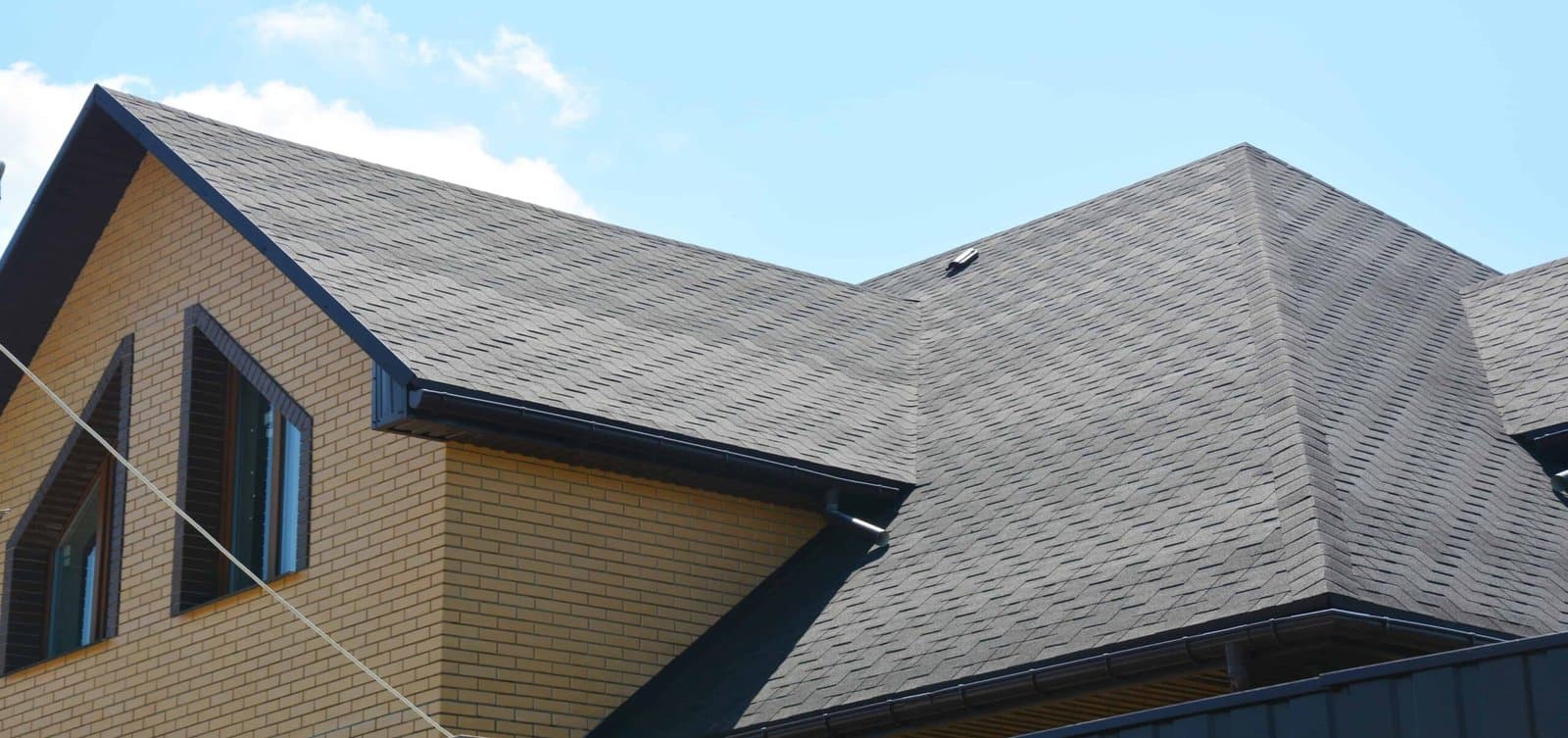
How do you tell if hail damaged your roof? Check the soft metal at ground level first — dents in gutters, downspouts, window wraps, vents and the air conditioner fins tell you the stones were large enough to matter, and you can see all of it without a ladder. On the roof itself, hail damage to asphalt shingles shows as bruising: a circular area where granules have been knocked away and the mat underneath feels soft to the touch, like a bruise on fruit. It does not read from the ground and often does not read in a photograph, which is why it is missed by homeowners and adjusters alike. Roughly one-inch hail is where functional damage becomes likely, though an older roof can be damaged by smaller stones.
Chad Erickson founded Total Home Exteriors in Andover, MN in 2003 and still walks every insurance claim personally. Last updated: September 2026.
How do I know if hail damaged my roof?
Start with soft metal at ground level — gutters, downspouts, window wraps and the air conditioner. On the roof, look for circular granule loss where the mat underneath feels soft. That bruising is the damage that matters, and it needs a close inspection to find.
How big does hail have to be to damage a roof?
Around one inch is where functional damage to asphalt shingles becomes likely. Smaller stones can still damage an older roof that has already lost granules, and wind direction matters as much as size — a driven storm damages the elevations facing it.
What is the difference between cosmetic and functional hail damage?
Functional damage fractures the shingle mat and shortens the roof's life; cosmetic damage looks bad but has not compromised how the roof sheds water. The distinction matters because some Minnesota policies now carry cosmetic damage exclusions.
Why adjusters miss hail damage
Not through bad faith, but through volume and difficulty. After a significant hail event an adjuster may inspect dozens of homes in a week, and bruising is subtle — a soft circular patch that does not photograph well and does not read from the ground.
That is why having someone on the roof alongside the adjuster matters. Damage that both parties have physically seen and agreed on does not become a dispute later, and a scope built from the same evidence is far harder to under-write.
Test squares, and how damage is actually proven
The industry method is to mark out test squares on each slope — typically a ten-by-ten foot area — and count the hail impacts within them. The number of hits per square, assessed slope by slope, is what determines whether damage is considered widespread enough to warrant replacement rather than repair.
It matters that this is the same method the adjuster uses. When we document test squares the two assessments can be compared directly rather than argued about in general terms, which is a materially better position for the homeowner.
What to do if your hail claim is denied
A denial is frequently a documentation problem rather than an absence of damage. If we believe damage was missed, we go back up, re-document it with dated photographs and measured test squares, and submit for reinspection.
That has been enough to reopen claims and get them paid in full. We do not promise an outcome — the carrier decides — but a properly documented reinspection request is a very different proposition from a verbal disagreement over the phone.
Where to look for hail damage
| Where | What to look for | Visible from the ground? |
|---|---|---|
| Gutters and downspouts | Dents and dimpling in soft metal | Yes — check here first |
| Window wraps and fascia | Dimples in aluminium cladding | Yes |
| Air conditioner | Flattened or bent cooling fins | Yes |
| Asphalt shingles | Circular granule loss, soft mat | No — needs a roof inspection |
| Vinyl siding | Cracks and chips on the storm-facing wall | Sometimes |
Related reading
Frequently asked questions
My roof looks fine after the hail. Should I still get it inspected?
Yes. Hail bruising is not visible from the ground and often not visible in a photograph, so a roof that looks untouched from the driveway can still carry a claimable loss. If your neighbourhood took hail, get it looked at — the inspection is free and there is a limited window to file.
Is hail damage covered by homeowners insurance?
It is covered under most Minnesota policies, subject to your deductible and terms. Note that wind and hail sometimes carry a separate, higher deductible than the main policy — often a percentage of the dwelling value rather than a flat sum. Check yours before assuming.
Can hail damage a brand new roof?
Yes. Hail fractures the shingle mat regardless of the roof's age, and on a new roof it shortens a service life you have barely started using. Newer roofs are less likely to be inspected after a storm, which is precisely when a claimable loss goes unnoticed.
How long after a hailstorm can I file?
Sooner is better and your policy sets the actual limit. Hail damage does not heal, but attributing it to a specific storm gets harder over time — particularly in Minnesota, where another hail event may arrive before you file. Get the inspection done and keep the dated documentation even if you decide not to claim.
Have Questions?
Our team is happy to answer questions about any service — no sales pressure.
Related Articles
Take Action Today
Serving the Twin Cities for 20+ Years
Licensed, insured, and ready to help with your next exterior project.