
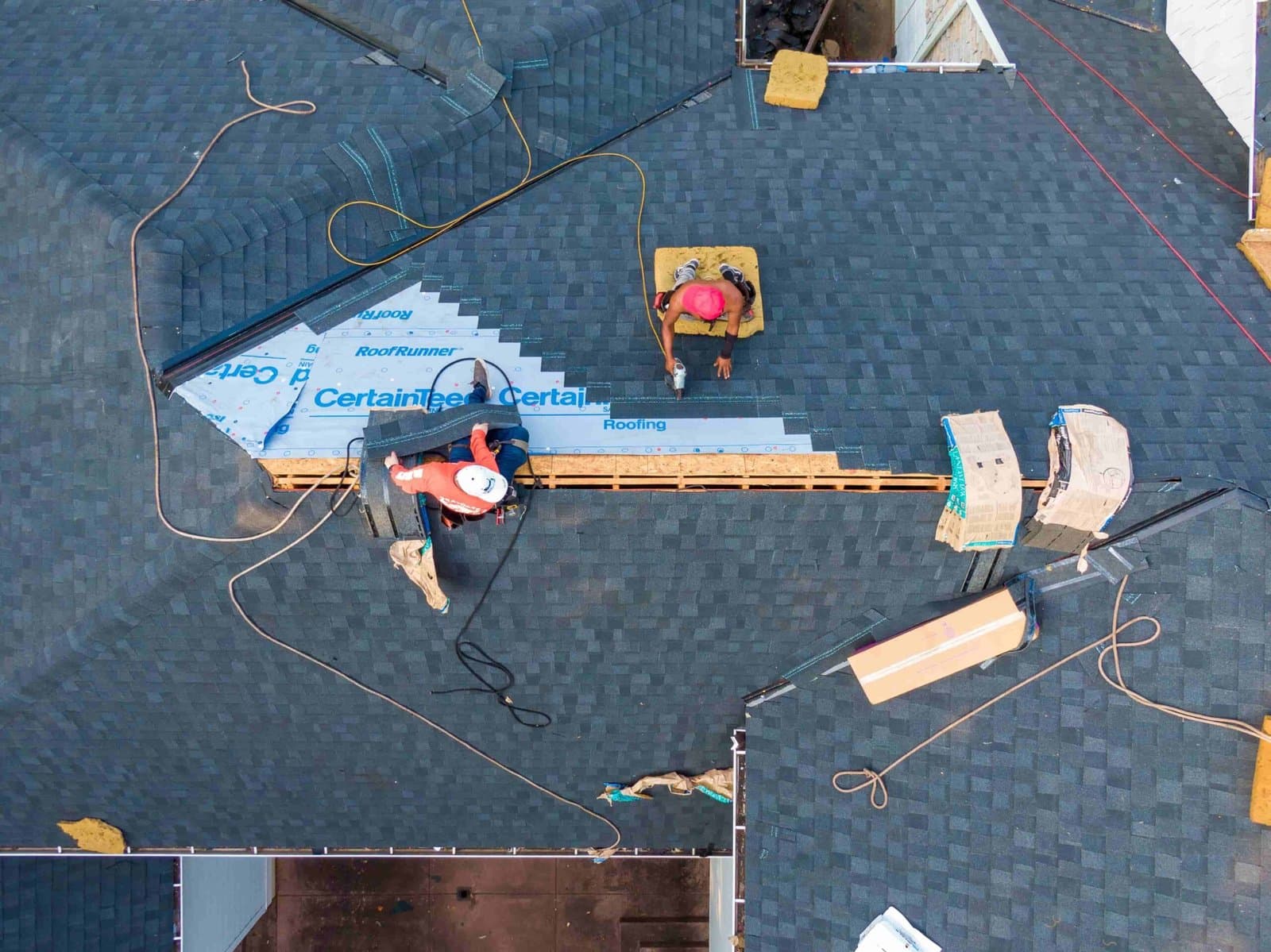
What does a roofing warranty actually cover? Two separate warranties apply to any new roof, and they cover different things. The manufacturer warranty covers defects in the shingles themselves — it is typically prorated, meaning its value declines sharply after the early years, and it is usually conditional on adequate attic ventilation, which is the clause most homeowners never read. The workmanship warranty covers the installation: flashing, fastening, and everything the crew did. Manufacturer defects are rare; installation faults are not, which makes the workmanship warranty the one that matters more in practice. Its real value depends entirely on whether the contractor is still operating locally in five years to honour it.
Chad Erickson founded Total Home Exteriors in Andover, MN in 2003 and still walks every insurance claim personally. Last updated: September 2026.
What is the difference between a manufacturer and workmanship warranty?
The manufacturer warranty covers defects in the shingles; the workmanship warranty covers the installation. Manufacturer defects are rare and installation faults are common, so the workmanship warranty is the one that matters more day to day.
What voids a roofing warranty?
Most commonly inadequate attic ventilation, which is a stated condition of most manufacturer coverage. Also unapproved repairs or alterations, installing over an existing roof where the manufacturer forbids it, and in some cases pressure washing the shingles.
Does a roofing warranty transfer when I sell?
Often, but usually with conditions — a transfer window, sometimes a fee, sometimes a reduction in remaining term, and typically only one transfer. Check the specific terms if you may sell, because a transferable warranty is a genuine selling point.
What 'prorated' actually means for your payout
Most manufacturer shingle warranties are prorated after an initial period. During that early window, coverage may be at or near full replacement value for materials. After it, the amount declines each year against the shingle's expected life.
The practical consequence is that a claim in year eighteen of a thirty-year warranty typically pays a small fraction of the cost, and usually covers materials only — not the labour to tear off and reinstall, which is the larger share of any roofing bill. That is not a scandal, it is how these instruments are written, but the headline number sets expectations the fine print does not meet.
The ventilation clause almost nobody reads
Shingle manufacturers require adequate intake and exhaust ventilation, because they know what an unventilated attic does to their product — it cooks the shingle from behind and ages it years early. If a claim is made on a roof over an attic that was never ventilating properly, that clause is available to the manufacturer.
This is a strong practical argument for correcting ventilation while the roof is open, quite apart from the roof lasting longer. It is far cheaper at that moment than afterwards, and it keeps the coverage you paid for actually in force.
How to judge a workmanship warranty
The term length is the least informative part of it. Ask instead:
- Who carries it — the company you are contracting with, or a third party?
- How long has that business operated locally? A twenty-year warranty from a crew that follows storms is worth nothing.
- What specifically does it cover — flashing and fastening, or only leaks in the shingle field?
- Is it in writing, with the term stated, before you sign?
- Does it survive a sale of the property?
Related reading
Frequently asked questions
Is a longer warranty always better?
No. A thirty-year prorated manufacturer warranty and a twenty-year one may pay out similarly at the point you actually claim, and a long workmanship warranty from a contractor who will not be here is worth nothing at all. Look at what is covered and who stands behind it before you weigh the number of years.
Do I need to register my roofing warranty?
Many manufacturer warranties require registration within a set window after installation, and some enhanced warranties require it to take effect at all. Ask your contractor whether they register it or whether that is on you, and get confirmation once it is done.
Does storm damage fall under the warranty?
No. Warranties cover manufacturing defects and workmanship faults, not damage from hail, wind or falling trees — that is what homeowners insurance is for. Confusing the two is common, and it delays claims when someone approaches the wrong party first.
Can a repair by another contractor void my warranty?
It can. Many workmanship warranties are voided if someone else works on the roof, and some manufacturer coverage is affected by non-approved repairs. Before you have anyone else touch a roof still under warranty, check the terms — a small repair is not worth losing the coverage over.
Have Questions?
Our team is happy to answer questions about any service — no sales pressure.
Related Articles
Take Action Today
Serving the Twin Cities for 20+ Years
Licensed, insured, and ready to help with your next exterior project.