
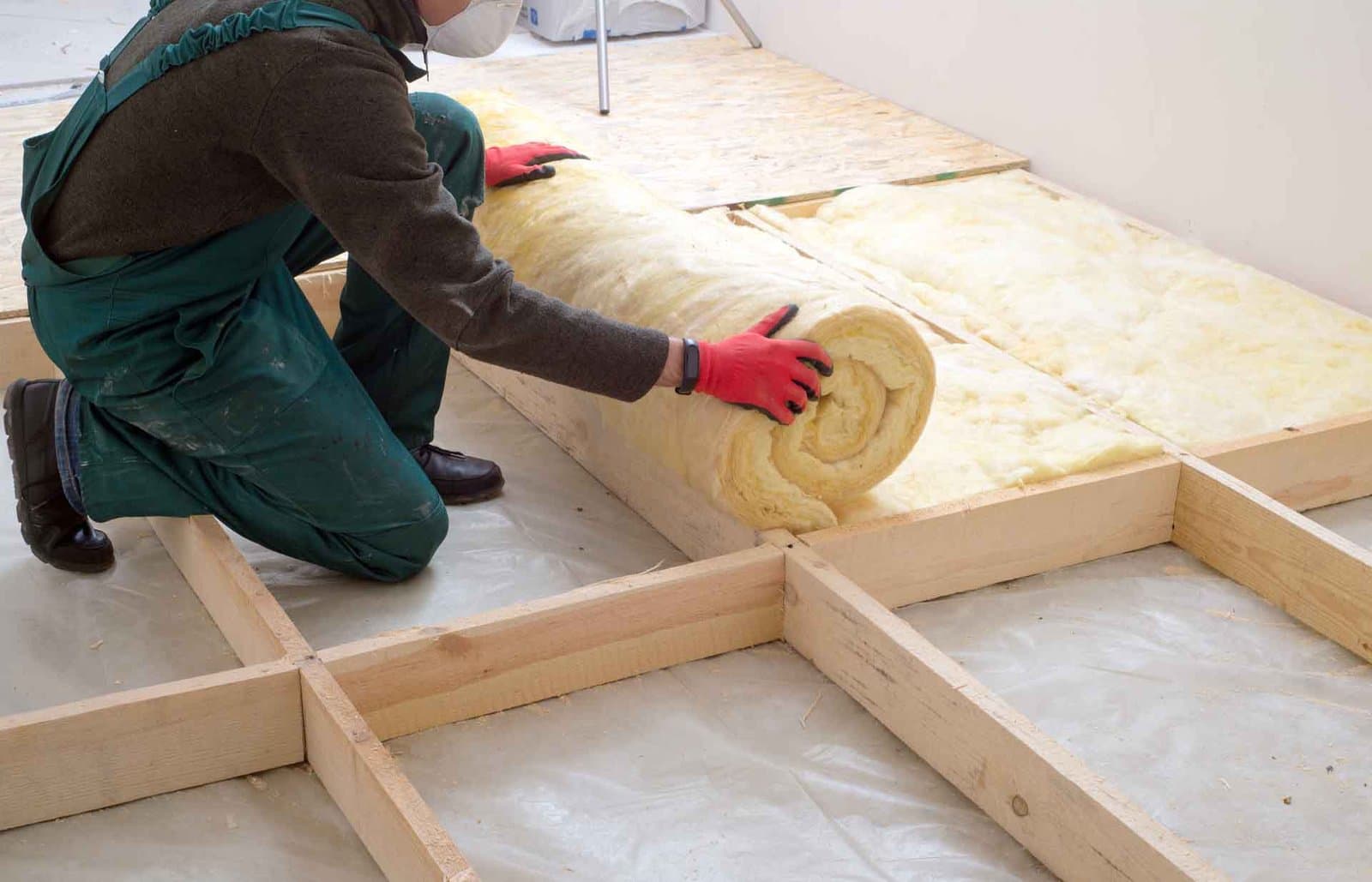
Attic, Wall & Crawl Space Insulation
Attic, wall, and crawl space insulation. Proper insulation prevents ice dams and reduces heating costs through MN winters.
Insulation Services in the Twin Cities
Total Home Exteriors installs attic, wall, and crawl space insulation across the Twin Cities metro. For most Minnesota homes, attic insulation is the single highest-return energy improvement available, because heat rises and an under-insulated attic loses it continuously all winter. The U.S. Department of Energy recommends roughly R-49 to R-60 in attics for Minnesota's cold climate zone, and many older Twin Cities homes were built to less than half of that. Proper attic insulation and air sealing also prevents ice dams, which form when heat escaping into the attic melts snow that then refreezes at the cold eaves. We install blown fiberglass, cellulose, and spray foam depending on the cavity and the application. Assessments are free.
We insulate the same Twin Cities attics we later get called back to for ice dam steaming, so we treat the two as one problem rather than two invoices. Last updated: September 2026.
How much attic insulation does a Minnesota home need?
The Department of Energy recommends approximately R-49 to R-60 for attics in Minnesota's cold climate zone. A great many Twin Cities homes built before the 1990s came in at R-19 to R-30 and have settled since, which means they are now well below even the standard of their own era.
Depth is a rough proxy you can check yourself. If your attic insulation is level with or below the ceiling joists, you are short. Blown fiberglass and cellulose can usually be topped up over existing material without removing what is there, provided the existing insulation is dry and not contaminated.
Does attic insulation prevent ice dams?
It is most of the answer, yes. Ice dams form when heat leaks from the living space into the attic, warms the roof deck, and melts snow that then runs down and refreezes over the cold eave where there is no heat beneath it. The ridge of ice that builds up backs meltwater under the shingles and into the house.
The fix is to stop heating the roof deck: air seal the ceiling penetrations, insulate to the correct R-value, and make sure soffit-to-ridge ventilation is actually moving cold air under the deck. Steaming the ice off treats the symptom and is sometimes urgently necessary — but a house that dams every single winter has an insulation and ventilation problem, and we would rather fix that once.
Which insulation type goes where?
Blown fiberglass and cellulose are the workhorses for open attic floors — fast to install, good coverage over irregular framing, and easy to top up later. Cellulose packs slightly denser and resists air movement a little better; fiberglass does not absorb moisture.
Spray foam earns its higher cost in rim joists, crawl spaces, cathedral ceilings, and anywhere the insulation also has to be the air barrier. Rim joists in particular are a large, commonly-missed source of winter heat loss in Minnesota basements and are cheap to address.
How do I tell if my attic is under-insulated?
Look at the joists. If you can see the tops of the ceiling joists when you look across the attic floor, or the insulation is level with them, you are well short of what Minnesota needs. Joists are typically 8 to 10 inches deep, and R-49 to R-60 in loose-fill means considerably more depth than that.
The other tells are practical ones: rooms that never hold heat evenly, a furnace that runs constantly through January, ice dams every winter, and snow melting off your roof faster than it does off your neighbours'. That last one is worth paying attention to — a roof that clears its snow early is a roof being heated from below.
Why does air sealing matter more than adding insulation?
Insulation slows heat conduction. It does very little to stop air moving. If warm, moist household air is streaming into the attic through gaps around light fittings, bath fans, plumbing stacks and the attic hatch, laying more insulation on top does not stop it — the air simply moves through.
That is why we air seal the ceiling plane before adding depth. Sealing those penetrations is usually the cheaper half of the job and it does more for both your heating bill and your ice dams than the insulation on its own. Insulation added over unsealed penetrations is the single most common mistake we find in Twin Cities attics.
What about the rim joist in the basement?
It is the most commonly missed source of heat loss in a Minnesota house. The rim joist is the band of framing around the perimeter of the floor structure, sitting directly on the foundation, and in most older homes it is either bare or stuffed with a scrap of fiberglass that does nothing to stop air movement.
Spray foam here is genuinely worth the money. The area is small, so the cost is modest, and it addresses both insulation and air sealing in one pass at a spot that leaks continuously all winter.
Insulation types and where each belongs
| Type | Best for | Air sealing | Notes |
|---|---|---|---|
| Blown fiberglass | Open attic floors | No — needs separate sealing | Fast, good coverage over irregular framing, does not absorb moisture. |
| Cellulose | Open attic floors | Partial — packs denser | Slightly better at resisting air movement than fiberglass. |
| Spray foam | Rim joists, crawl spaces, cathedral ceilings | Yes — it is the air barrier | Higher cost, earned where insulation must also stop air. |
What happens when you call us
Free attic assessment
We measure existing depth, check for moisture and pest damage, and look at whether the soffit vents are actually clear.
Honest recommendation
If air sealing alone will fix your problem we will say so, rather than selling you depth you do not need.
Air sealing
Ceiling penetrations — light fittings, fan housings, plumbing stacks, the attic hatch — sealed before anything is added.
Baffles and ventilation
Soffit baffles installed or cleared so intake air can still reach the ridge once the insulation depth goes up.
Insulation to depth
Blown to the R-49 to R-60 range recommended for Minnesota, with a depth marker left in place so it can be verified.
Related reading
Frequently Asked Questions
Take Action Today
Ready for Your Insulation Estimate?
Free, no-pressure inspections for homeowners across the Twin Cities metro.