
Unlock the Secret to Energy Efficiency: Andover's Top Insulation Services Revealed
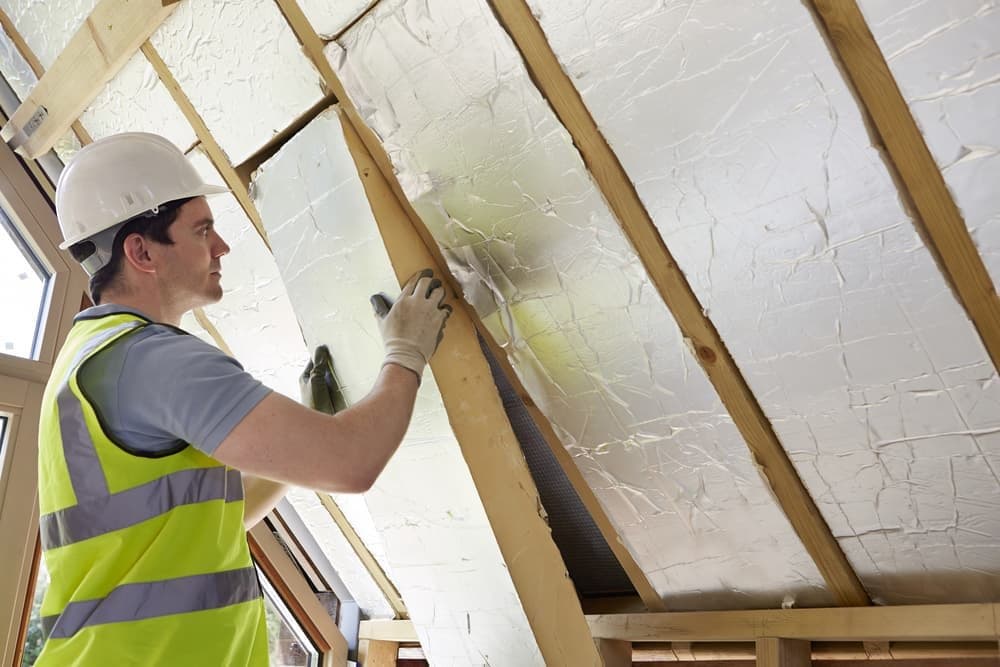
How much attic insulation does a Minnesota home need? The U.S. Department of Energy recommends roughly R-49 to R-60 for attics in Minnesota's cold climate zone. A great many Twin Cities homes built before the 1990s came in at R-19 to R-30 and have settled since, leaving them well under even the standard of their own era. The quickest check is depth: if the insulation is level with or below the ceiling joists, you are short. But insulation alone is only half the job — it slows heat conduction and does almost nothing to stop air movement. Warm household air streaming into the attic around light fittings, bath fans and plumbing stacks will simply pass through added depth. Air sealing first, then insulate.
Chad Erickson founded Total Home Exteriors in Andover, MN in 2003 and still walks every insurance claim personally. Last updated: September 2026.
What R-value does a Minnesota attic need?
Roughly R-49 to R-60, per Department of Energy guidance for this climate zone. In loose-fill terms that is considerably deeper than the ceiling joists. If you can see the tops of the joists across the attic floor, you are below it.
Is air sealing more important than insulation?
They work together, but air sealing is the half that gets skipped. Insulation slows heat conduction; it does not stop air moving through it. Sealing ceiling penetrations first is usually the cheaper half of the job and does more for both your heating bill and your ice dams.
What is the cheapest way to cut a Minnesota heating bill?
For most older Twin Cities homes, attic air sealing and insulation, followed by insulating the rim joist in the basement. Both typically return more per dollar than window replacement, which is where homeowners often start.
The rim joist, and why nobody insulates it
The rim joist is the band of framing around the perimeter of your floor structure, sitting directly on the foundation. In most older Minnesota homes it is either bare or stuffed with a scrap of fiberglass batt that does nothing to stop air moving through it, and it leaks continuously all winter.
It is a small area, so the cost is modest, and spray foam here addresses insulation and air sealing in one pass. Per dollar spent it is one of the best returns available in a Minnesota basement, and it is almost always missed.
How insulation stops ice dams
Ice dams form when heat escaping the living space warms the roof deck, melts the snow sitting on it, and that meltwater runs down and refreezes at the cold eave where there is no heat beneath. The ridge of ice that builds traps water behind it, and roofing is designed to shed water flowing downhill, not to hold back a standing pool.
The fix is to stop heating the roof deck. Air seal the ceiling plane, insulate to the recommended range, and confirm the soffit-to-ridge ventilation is actually moving cold outside air under the deck. Steaming the ice off treats the symptom — necessary sometimes, but a house that dams every winter has a problem upstairs.
Signs your insulation is not doing its job
None of these need an energy audit to spot:
- Snow melting off your roof noticeably faster than off your neighbours' — a roof clearing early is a roof being heated from below.
- Ice dams at the eaves every winter, not just in exceptional weather.
- Rooms that never hold heat evenly, particularly upstairs.
- A furnace running near-continuously through January.
- Visible joists when you look across the attic floor.
Insulation types and where each belongs
| Type | Best for | Also an air barrier? |
|---|---|---|
| Blown fiberglass | Open attic floors | No — needs separate air sealing |
| Cellulose | Open attic floors | Partial — packs denser |
| Spray foam | Rim joists, crawl spaces, cathedral ceilings | Yes |
Related reading
Frequently asked questions
Can new insulation go over old insulation?
In most attics, yes. Blown fiberglass or cellulose can be added on top of existing material provided it is dry and uncontaminated. It has to come out first if it is wet, mouldy or pest-damaged, or if it is covering ceiling penetrations that need to be air sealed before anything else goes down.
Will insulating my attic make the house too airtight?
No. Air sealing the ceiling plane stops warm air leaking into the attic; it does not seal the living space itself. Attic ventilation is deliberately kept working — soffit baffles are installed or cleared so intake air can still reach the ridge once the insulation depth goes up.
How long does attic insulation take to install?
For a typical Twin Cities home, most of a day including the air sealing, which is the part that takes the time. Blowing the insulation itself is comparatively quick. Larger or more compartmentalised attics take longer, particularly where baffles have to be installed throughout.
Does attic insulation help in summer too?
Yes. The same barrier that keeps heat in during January keeps attic heat out of the living space in July, which reduces the load on your air conditioning. Combined with working ventilation it also keeps the roof deck cooler, which slows the ageing of the shingles above it.
Have Questions?
Our team is happy to answer questions about any service — no sales pressure.
Take Action Today
Serving the Twin Cities for 20+ Years
Licensed, insured, and ready to help with your next exterior project.