
Is Your Roof Repair Really Necessary? The 7 Signs You Need Immediate Action!
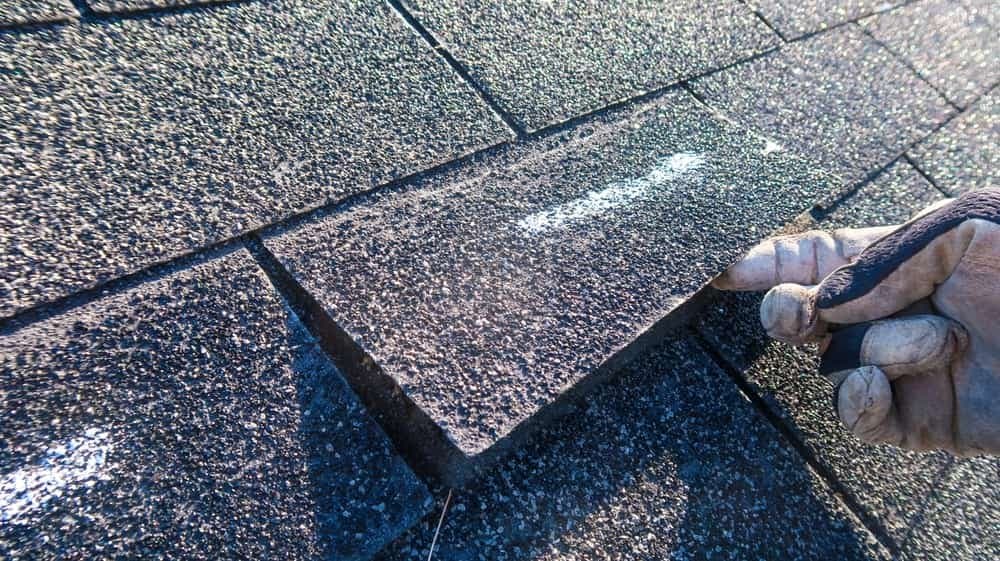
What are the signs you need a new roof? The seven that matter are missing or lifted shingles, curling or cupping edges, significant granule loss showing up in your gutters, daylight visible through the roof boards from inside the attic, water stains on upstairs ceilings, a sagging roof line, and a roof past 20 years on its original asphalt shingles. Any one of the last three warrants an inspection immediately — a sagging line points at structural or decking failure, and daylight through the deck means water is already getting in. The rest indicate wear that can often still be repaired if it is caught before a Minnesota winter works on it. Roof inspections are free and tell you which category you are in.
Chad Erickson founded Total Home Exteriors in Andover, MN in 2003 and still walks every insurance claim personally. Last updated: September 2026.
What are the signs you need a new roof?
Missing or lifted shingles, curling or cupping edges, granule loss collecting in the gutters, daylight through the roof deck, ceiling water stains, a sagging roof line, and any asphalt roof past about 20 years. The last three are urgent; the others are often still repairable.
Which roof problems need immediate action?
A sagging roof line, daylight visible through the deck from inside the attic, and active water staining on ceilings. All three mean water is already reaching the structure, and every additional week of Minnesota weather makes the repair larger.
Can a roof be repaired instead of replaced?
Often, yes — when damage is contained to one area and the roof has meaningful service life left. Replacement becomes the better economic choice when the roof is near end of life, damage crosses multiple slopes, or you are repairing the same roof repeatedly.
The three signs that mean stop and call someone today
Most roof problems can wait a week. These cannot, because in all three cases water is already past the roofing and working on the structure underneath.
- A sagging or dipping roof line. This is not a shingle problem. It points at decking that has been wet long enough to lose strength, or at a rafter or truss issue. It gets worse under snow load.
- Daylight through the roof boards, seen from inside the attic on a bright day. If light gets through, water does.
- Fresh water staining on an upstairs ceiling. By the time it shows on the ceiling, the insulation above it is already saturated and no longer insulating.
The four signs that mean book an inspection soon
These indicate wear rather than active failure. Caught early they are usually repairs; left through a winter they become replacements.
- Missing, lifted or creased shingles, typically along rakes and ridges where wind gets underneath first.
- Curling, cupping or clawing shingle edges — the mat has dried out and is losing shape.
- Granule loss. A handful of granules after a new roof is normal; a steady accumulation in the gutters on an older roof means the surface is wearing through.
- Age. Architectural asphalt gives about 20 to 25 years in Minnesota. Past fifteen, an inspection tells you whether you have five years left or one.
Why Minnesota roofs show these signs sooner
Minnesota puts a roof through a cycle few climates match: heavy snow load, repeated freeze-thaw transitions that expand and contract every material up there, ice dams forcing meltwater back under the shingles at the eaves, and a hail season that can end a roof in one afternoon.
Poor attic ventilation compounds all of it. A roof deck that stays warm melts snow that refreezes at the cold eave, and the resulting ice ridge is what drives water under the courses. That is why we check ventilation and insulation during a roof evaluation rather than only walking the surface.
What a free roof inspection actually covers
We walk the roof and look at the field, the flashing at chimneys, valleys, vents and roof-to-wall intersections, and the condition of the eaves. Then we go into the attic, because that is where ventilation problems, daylight, and early decking damage are visible before anything shows outside.
You get a written assessment saying whether you need a repair, a replacement, or nothing yet. If the answer is nothing yet, that is what we tell you — an inspection that always concludes you need a new roof is a sales call, not an inspection.
Related reading
Frequently asked questions
How do I know if my roof is leaking or it is condensation?
A leak generally tracks to a specific point — a stain that grows after rain, usually near a penetration like a chimney, vent or valley. Condensation shows as widespread dampness or frost on the underside of the roof deck across a broad area, and it points at an attic ventilation and air sealing problem rather than a hole in the roof. The fixes are completely different, which is why the attic gets inspected too.
Is granule loss always a problem?
Not always. A new roof sheds loose granules for the first few months and that is normal. Steady accumulation in the gutters on a roof that is ten years or older is the concerning pattern, because granules are the shingle's UV protection — once they are gone the asphalt underneath degrades quickly.
My roof looks fine from the ground. Could it still be damaged?
Yes, particularly after hail. Hail bruising fractures the shingle mat and shows as circular patches of missing granules that are soft to the touch — it does not read from the ground and often does not read in a photograph. If your neighbourhood took hail, have it inspected regardless of how it looks from the driveway.
How urgent is a missing shingle?
More urgent in winter than in summer. A single missing shingle exposes the underlayment, which is a water barrier but not a permanent roof surface. In Minnesota, snow and ice sitting on exposed underlayment for a season will find its way through. It is a small repair now and a much larger one after a winter.
Will my insurance cover a roof that is simply old?
No. Homeowners policies cover sudden damage from a specific event such as hail, wind or a fallen tree — not wear from age. If a storm damaged an older roof, that is claimable; a roof that has simply reached the end of its service life is a maintenance expense. We tell you which one you have before you file.
Have Questions?
Our team is happy to answer questions about any service — no sales pressure.
Related Articles
Take Action Today
Serving the Twin Cities for 20+ Years
Licensed, insured, and ready to help with your next exterior project.