
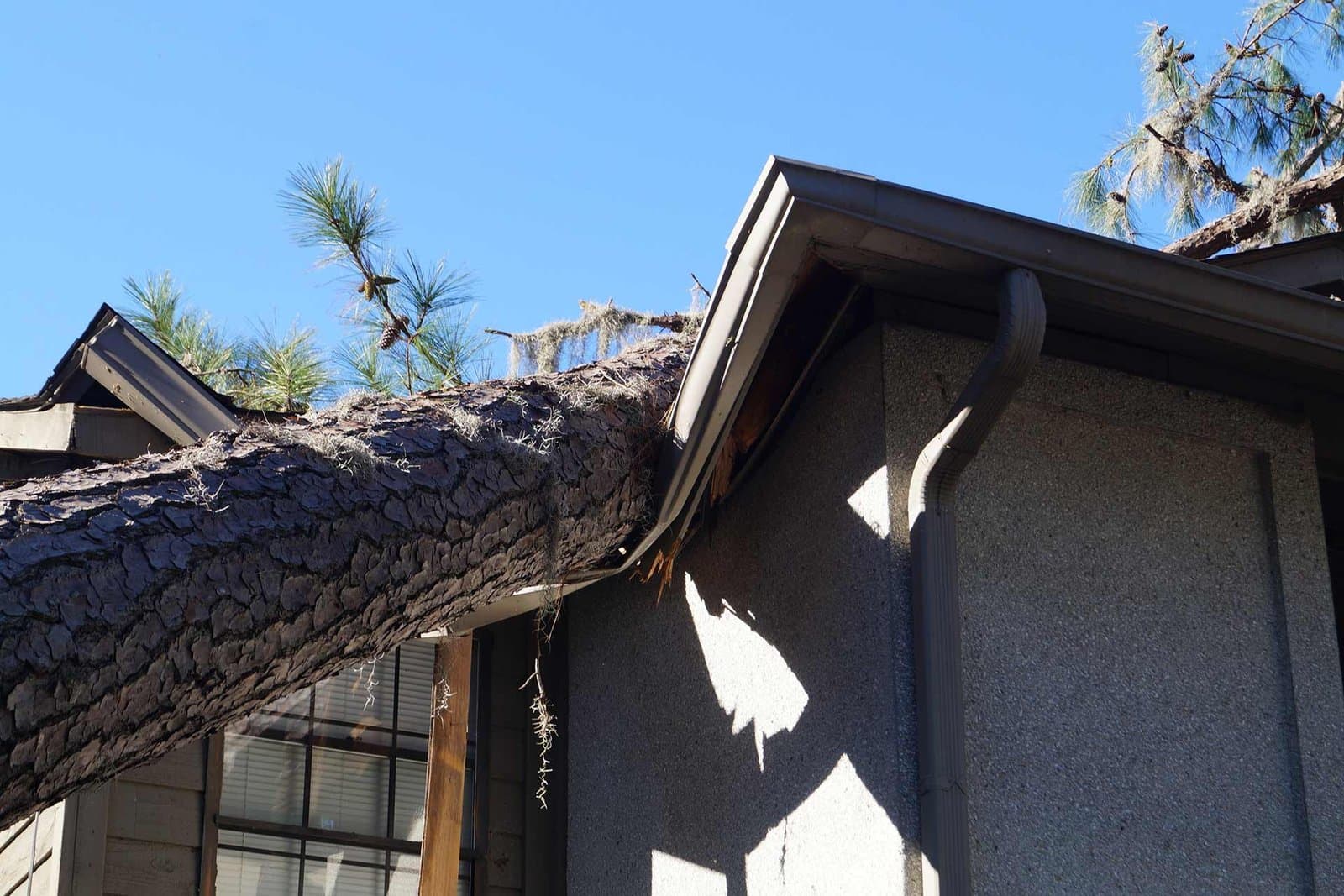
Emergency Storm Damage Response
Emergency response for wind, hail, and water damage. We tarp, document, repair, and restore — start to finish.
Storm Damage Restoration in the Twin Cities
Total Home Exteriors provides emergency storm damage response and full restoration across the Twin Cities metro. After a wind, hail, or water event we tarp the roof to stop further damage, document everything for your insurance claim, then repair or replace what the storm destroyed — roofing, siding, windows, and gutters. The first priority after a storm is stopping water entry, because secondary water damage to ceilings, insulation, and framing frequently costs more than the original storm damage did. Photograph what you can safely see from the ground before anything is touched, and do not sign a contract with a door-knocking crew that appears the day after a storm. Our inspections are free and we work with your adjuster directly.
We work Minnesota's wind and hail seasons every year and are based in Andover, not shipped in behind a storm front. Last updated: September 2026.
What should I do immediately after storm damage?
Stop water getting in, and document before you repair. Photograph the damage from the ground where it is safe to do so, note the date of the storm, and call for an emergency tarp if the roof is open. Insurance carriers expect you to take reasonable steps to prevent further loss, so an emergency tarp is not something that counts against you — it is expected.
Do not climb onto a storm-damaged roof yourself. Wet or hail-struck shingles are slick, and structural damage is not always visible from above. That is what the inspection is for.
Should I hire a storm chaser that knocks on my door?
Be extremely careful. Large storms in Minnesota draw out-of-state crews who canvass affected neighbourhoods, sign as many contracts as they can, do the work fast, and leave the state. When the workmanship fails two winters later there is nobody to call, and the warranty is a phone number that no longer connects.
Ask any contractor where they are based, how long they have worked in Minnesota, and who honours the workmanship warranty. We are based in Andover and have worked this metro for over twenty years — you can find us next winter.
What does storm restoration actually cover?
Wind damage typically means lifted, creased, or missing shingles, damaged flashing, and siding pulled loose. Hail bruises shingles and dents siding, gutters, and window wraps. Water intrusion follows both, and is what causes the expensive interior damage.
We restore the full exterior envelope rather than one trade, which matters after a storm because hail rarely damages only the roof. A claim scoped for roofing alone routinely misses dented siding and gutter damage on the same elevation.
How do I tell a legitimate contractor from a storm chaser?
Ask four questions and the answers sort them quickly. Where is your business physically located? How long have you worked in Minnesota? Who honours the workmanship warranty in five years? And can you give me a local address and licence number I can verify?
A storm chaser will be vague on at least two of those. They will also typically push hard for a signature on the day, sometimes framed as an 'inspection authorisation' that is actually a contract assigning your claim to them. Read anything before you sign it, and never sign on the doorstep because someone says the offer expires.
What is secondary damage, and why does it matter more than the storm?
Secondary damage is everything the water does after the storm has passed. The wind takes shingles off in ten minutes; the rain then works on the decking, the insulation, the ceiling and the framing for however many days it takes to get the roof closed up. Very often the secondary damage costs more to put right than the original loss.
This is why emergency tarping is worth doing immediately even if the permanent repair is weeks out, and why insurers expect it. Your policy generally requires you to take reasonable steps to prevent further loss, so tarping is not something that counts against you — it is what you are supposed to do.
How long does storm restoration take from first call to finished?
The tarp goes on straight away. The rest depends mainly on the insurance timeline rather than on us: filing, the adjuster's visit, agreeing the scope, and approval typically account for most of the elapsed time, and that varies a great deal by carrier and by how many homes in the region were hit at once.
Once a scope is approved, the physical work on a typical house is measured in days rather than weeks. We will tell you which part of the wait is us and which part is the claim — you should never have to guess where your job stands.
What happens when you call us
Emergency response
We tarp the roof to stop water getting in. This comes before anything else, including paperwork.
Full damage assessment
Roof, siding, gutters, window wraps and any outbuildings — hail and wind rarely damage only one thing.
Documentation for the claim
Dated photographs and measurements, prepared so your adjuster and we are looking at the same evidence.
Adjuster meeting
We walk the damage with your adjuster on site so nothing gets left out of the approved scope.
Restoration
Repair or replacement of everything the storm damaged, by our own crew, through to final inspection.
Related reading
Frequently Asked Questions
Take Action Today
Ready for Your Storm Damage Estimate?
Free, no-pressure inspections for homeowners across the Twin Cities metro.