
Restore, Renew, Rebuild: Your Ultimate Guide to Storm Damage Restoration in Andover, MN
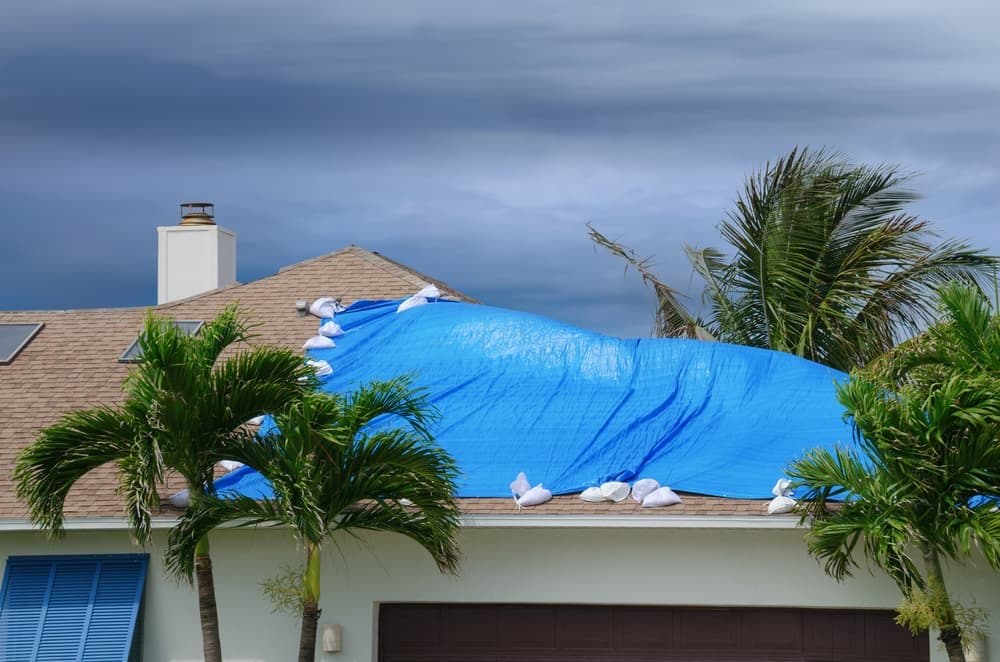
What should you do after storm damage to your home? Stop water getting in, document before you repair, and be careful who you sign with. Call for emergency tarping if the roof is open — policies generally require you to take reasonable steps to prevent further loss, so tarping is expected of you. Photograph the damage from ground level with the date, and note the date of the storm itself. Then have the whole exterior inspected, not just the roof: wind and hail rarely damage one thing, and a claim scoped for roofing alone routinely misses dented siding, gutters and window wraps on the same elevation. Do not sign anything a door-knocking crew puts in front of you on the day.
Chad Erickson founded Total Home Exteriors in Andover, MN in 2003 and still walks every insurance claim personally. Last updated: September 2026.
What should I do first after storm damage?
Stop further water entry and document the damage. Photograph what you can see safely from the ground, note the storm date, and arrange emergency tarping if the roof is open. Do not climb onto a storm-damaged roof.
Does storm damage always mean a new roof?
No. Some wind damage is a straightforward repair. Widespread hail bruising across elevations generally warrants replacement, because the shingles there have all had their service life shortened at once. An inspection should tell you which, in writing, before you file.
How long do I have to file a storm damage claim?
Policies carry reporting windows and they vary by carrier. The practical advice is to have the property inspected promptly after a significant event, because damage left unreported for a long period becomes harder to attribute to a specific storm. Check your own policy for the deadline.
Why the whole exterior needs inspecting, not just the roof
Hail and wind arrive at an angle and hit everything on the elevation facing the storm. The roof gets the attention, but dented gutters and downspouts, dimpled metal window wraps and fascia, cracked or chipped siding, and flattened air conditioner fins are all common and all claimable.
A claim scoped for roofing alone routinely leaves several thousand dollars of siding and gutter damage unaddressed on the same wall. Once the claim is settled, going back to add items you did not raise is considerably harder than including them the first time.
The door-knocker problem
Significant Minnesota storms draw out-of-state crews who canvass the affected streets, sign as many contracts as they can, complete the work quickly and leave. The work is often not obviously bad on day one — the failures appear two or three winters later at the flashing and fasteners, which is exactly when the warranty phone number stops connecting.
Watch specifically for 'inspection authorisation' forms that are contracts assigning your insurance claim to the contractor. Read anything before signing it, away from the doorstep, and never sign because someone says an offer expires today.
What restoration actually involves
The order matters as much as the work:
- Emergency tarping, immediately, to stop the loss growing.
- Full assessment of roof, siding, gutters, window wraps and any outbuildings.
- Dated documentation and measurements, prepared so you and the adjuster look at the same evidence.
- The adjuster meeting, walked on site rather than negotiated over the phone.
- Repair or replacement of everything approved, through to final inspection.
Related reading
Frequently asked questions
Will my insurer object to emergency tarping?
The opposite. Most policies require you to take reasonable steps to prevent further loss after an event, so tarping is what your carrier expects you to do. Keep the receipt — mitigation costs are frequently reimbursable as part of the claim itself.
Should I get repairs done before the adjuster visits?
Only emergency mitigation such as tarping. Permanent repairs made before the adjuster has seen the damage remove the evidence your claim is built on. Document thoroughly, mitigate to stop the loss growing, and wait for the inspection before permanent work begins.
What if my neighbours all got new roofs and I did not?
It is worth a second look. Hail falls across a neighbourhood, and if several homes on your street had claimable damage the odds are reasonable that yours did too. Damage may have been missed, particularly if your roof was inspected quickly or only from the ground.
Can I claim for damage to a shed or detached garage?
Usually yes — most policies cover detached structures, often at a percentage of the dwelling coverage. They are also routinely forgotten. If a storm damaged the house it very likely damaged the outbuildings, and both should be documented together.
Have Questions?
Our team is happy to answer questions about any service — no sales pressure.
Take Action Today
Serving the Twin Cities for 20+ Years
Licensed, insured, and ready to help with your next exterior project.