
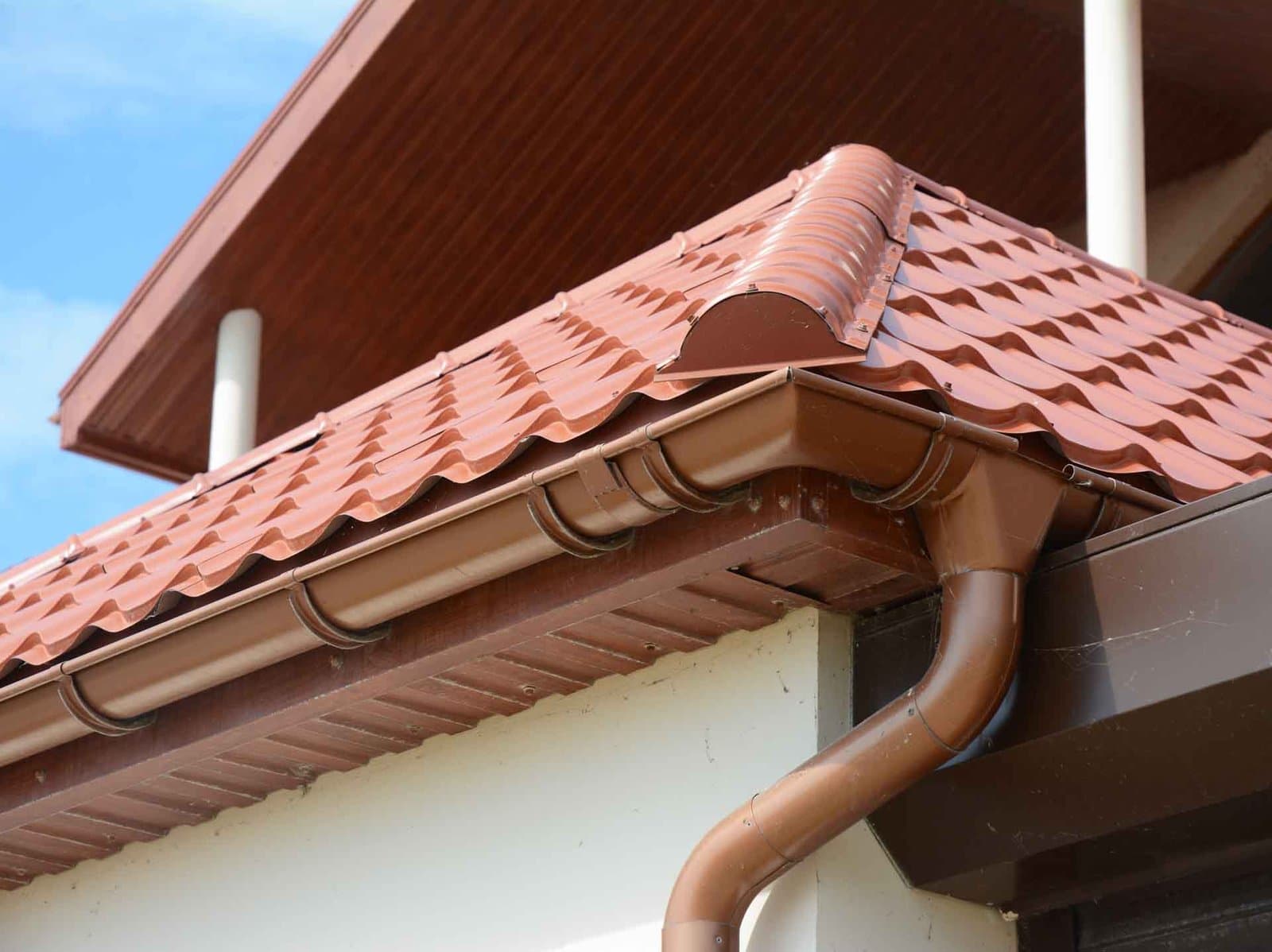
Seamless Gutter Installation & Repair
Seamless gutter installation, repair, and replacement. Proper gutters protect your foundation from Minnesota snow melt.
Gutter Services in the Twin Cities
Total Home Exteriors installs, repairs, and replaces seamless gutters across the Twin Cities metro. Seamless gutters are custom-fabricated on site to the exact length of each run, which removes the joints where sectional gutters leak and pull apart under the weight of Minnesota ice and snow. Fewer seams means fewer failure points, and in this climate that difference matters — a sectional gutter carrying a winter's ice load routinely separates at the joints. Properly sized and pitched gutters also protect the foundation by carrying snowmelt away from the house, which is the failure that gets expensive. We also install gutter guards, though not every guard product works well under Minnesota snow. Estimates are free.
We fabricate gutters on site and have seen which guard products trap ice through a Twin Cities winter and which ones do not. Last updated: September 2026.
Are seamless gutters worth it in Minnesota?
Yes, and the reason is specific to this climate. Sectional gutters join short pre-made lengths together, and every joint is sealed. Those seals expand and contract through freeze-thaw cycling, then carry the weight of ice, and eventually they leak or pull apart. It is the single most common gutter failure we are called out to.
Seamless gutters are rolled to length on site from a continuous coil, so a run has joints only at corners and outlets. Fewer joints, fewer failures. The install requires the fabrication equipment on the truck, which is why not every contractor offers it.
Do gutter guards work through a Minnesota winter?
Some do, many do not. Fine-mesh and reverse-curve products that work well in milder climates can trap ice and snow, and a guard holding an ice sheet over the gutter is worse than no guard at all — it makes the gutter impossible to clear and adds weight to the fascia.
We install products we have watched perform through Twin Cities winters and match them to your roof pitch, tree coverage, and snow load. If your roof is steep and you have no overhanging trees, we may tell you that you do not need guards, which is a cheaper answer than the one you were expecting.
How do gutters relate to ice dams and foundations?
Gutters do not cause ice dams — heat loss into the attic does — but a gutter packed with ice gives the dam something to build on and stops meltwater draining once the dam forms. Clear, correctly-pitched gutters are part of managing the problem, though insulation is the actual fix.
At ground level, gutters and downspouts exist to move snowmelt away from the foundation. Undersized gutters or downspouts discharging next to the wall put thousands of gallons a year against the foundation, and that shows up as a wet basement long before anyone blames the gutters.
What size gutter does a Minnesota home need?
Five-inch K-style gutter with 2x3 inch downspouts is the standard on most Twin Cities homes and handles typical roof areas without trouble. Six-inch gutter with 3x4 inch downspouts moves substantially more water and is worth specifying on large roof areas, steep pitches that shed fast, and long runs with few outlets.
Downspout count matters as much as gutter size and gets less attention. A long run draining to a single outlet will overflow at the far end in heavy rain regardless of how big the trough is. We work out the outlets from the roof area feeding each run rather than putting one at each end by habit.
Why do gutters pull away from the fascia in winter?
Weight. A gutter packed with ice can carry a great deal of load, and where it is hung on old spikes driven into the fascia, or on hangers spaced too far apart, that load pulls the fasteners out and the gutter sags or comes away entirely.
Hidden hangers screwed into the fascia at proper spacing hold far better than the spike-and-ferrule method common on older homes. If your gutters have pulled loose more than once, the fastening is the problem, not the gutter.
Where should the water actually go?
Away from the house — further away than most downspouts manage. A downspout discharging at the base of the wall puts thousands of gallons a year against your foundation, and that is what shows up later as a damp basement, efflorescence on the block, or settling.
Extensions, splash blocks or a buried drain line that carries water several feet clear of the foundation cost very little compared with what foundation water does. It is the least glamorous part of a gutter job and probably the most valuable.
Gutter options for Minnesota
| Option | Failure points | Best for |
|---|---|---|
| Seamless, 5 inch | Corners and outlets only | Most Twin Cities homes |
| Seamless, 6 inch | Corners and outlets only | Large roof areas, steep pitches, long runs |
| Sectional | Every joint — these leak and separate under ice | Rarely the right choice in this climate |
What happens when you call us
Free assessment
We look at roof area, pitch, run lengths and where the water currently ends up — including whether it is being dumped at the foundation.
Sizing and outlets
Gutter size and downspout count worked out from the roof area feeding each run, not fitted by habit.
On-site fabrication
Seamless gutter rolled to length on site from continuous coil, so joints exist only at corners and outlets.
Hanging and pitch
Hidden hangers screwed to the fascia at proper spacing, pitched so the trough actually drains to the outlets.
Discharge and cleanup
Downspouts extended to carry water clear of the foundation, and the site cleaned up.
Related reading
Frequently Asked Questions
Take Action Today
Ready for Your Gutters Estimate?
Free, no-pressure inspections for homeowners across the Twin Cities metro.